
Emotional avoidance in dating is frequently misinterpreted as independence, maturity, or slow pacing. In reality, it reflects a defensive attachment strategy oriented toward minimizing emotional exposure. Recognizing signs of an avoidant partner early reduces prolonged emotional strain and relational instability.
Avoidant behaviors tend to intensify as intimacy develops rather than diminish with time. When closeness increases, emotional distance often follows, creating confusion and imbalance. Understanding avoidant attachment style dating patterns allows for accurate interpretation of behavior instead of personalized self-blame.
Why Emotional Avoidance Is Often Misunderstood
Emotional avoidance is commonly mistaken for introversion, self-sufficiency, or emotional control. Cultural narratives that valorize independence further obscure recognition of signs of avoidant attachment in dating. As a result, avoidant behaviors are frequently normalized rather than examined.
Attachment theory explains avoidance as a learned strategy for regulating emotional threat (Bowlby, 1988). Individuals with avoidant patterns downregulate attachment needs to maintain autonomy and emotional distance. This misalignment becomes most visible within romantic contexts where intimacy is expected.

Red Flag #1: They Pull Away When Emotional Closeness Grows
One of the most consistent signs you’re dating an avoidant partner is withdrawal following moments of emotional closeness. Increased intimacy often triggers distancing behaviors such as reduced communication or sudden disengagement. This pattern reflects discomfort with dependency rather than loss of interest.
Avoidant individuals associate closeness with loss of control or vulnerability. As emotional proximity increases, self-protective withdrawal restores psychological distance. This cyclical dynamic creates instability and erodes relational security over time.
Research on attachment regulation demonstrates that avoidant individuals deactivate emotional systems under perceived threat . Signs someone is avoidant frequently emerge after positive relational milestones rather than conflict. This reversal often confuses partners and delays recognition of the pattern.
Red Flag #2: They Avoid Talking About Feelings
Emotional avoidance is strongly associated with discomfort around affective dialogue. Partners exhibiting signs of an avoidant attachment style often redirect, minimize, or intellectualize emotional conversations. This prevents emotional attunement and relational repair.
Rather than expressing internal states, avoidant partners may emphasize logic, productivity, or external topics. Emotional disclosure is perceived as unnecessary or destabilizing. Over time, this avoidance restricts intimacy development and emotional reciprocity.
Empirical studies link emotional suppression to reduced relationship satisfaction and emotional disconnect . In dating dismissive avoidant attachment, feelings are often framed as problems rather than shared experiences. This framing reinforces emotional distance.
Red Flag #3: Inconsistent Communication Patterns
Inconsistent communication is a hallmark of avoidant attachment in romantic contexts. Periods of engagement are followed by unexplained withdrawal or reduced responsiveness. These fluctuations are frequently misinterpreted as mixed signals rather than signs someone is avoidant.
Avoidant individuals regulate closeness through distance rather than dialogue. Communication decreases when emotional intensity rises, not when interest declines. This creates a destabilizing push–pull dynamic that undermines trust and predictability.
| Communication Pattern | Avoidant Interpretation | Relational Impact |
| High engagement | Emotional threat | Subsequent withdrawal |
| Reduced contact | Restored autonomy | Partner insecurity |
| Sudden silence | Self-regulation | Emotional confusion |
This table outlines how avoidant communication patterns function internally and how they are experienced relationally. Recognizing the pattern prevents misattribution and chronic uncertainty.
Red Flag #4: Fear of Labels and Commitment
Avoidant partners frequently resist relational labels and formal commitment. Defining the relationship introduces perceived permanence and expectation. Signs of avoidant attachment in dating often include reluctance to discuss exclusivity or future orientation.
Commitment is interpreted as constraint rather than security. Even when behavior suggests involvement, verbal acknowledgment is avoided. This discrepancy sustains ambiguity and protects emotional distance.
Attachment research demonstrates that avoidant individuals associate commitment with loss of autonomy . Signs an avoidant is done with you may resemble fear-driven disengagement rather than explicit rejection. Without clarity, partners are left to infer meaning from withdrawal.
Red Flag #5: Independence Used as Emotional Armor
Independence is often emphasized disproportionately by avoidant partners. While autonomy is healthy, its rigid enforcement can function as emotional armor. Signs you’re dating an avoidant include framing self-reliance as incompatible with emotional dependence.
Avoidant individuals may dismiss needs for closeness as weakness or obligation. Requests for reassurance or connection are interpreted as intrusion. This dynamic restricts vulnerability and reinforces emotional distance.
Behaviors signaling independence as avoidance:
- Rejecting support even during stress
- Prioritizing solitude over relational repair
- Framing closeness as loss of freedom
When independence consistently blocks emotional access, it functions as avoidance rather than healthy autonomy.
How Emotional Avoidance Affects Your Self-Esteem
Dating an emotionally avoidant partner often leads to gradual self-doubt. Inconsistent responsiveness and emotional withholding create a sense of inadequacy. Partners may internalize distance as personal failure rather than attachment-driven behavior.
This dynamic erodes emotional safety and self-trust. Over time, individuals adapt by suppressing needs or over-functioning relationally. Research links avoidant-anxious dynamics to diminished self-esteem and heightened relational anxiety .
Can an Emotionally Avoidant Partner Change?
Change is possible but requires sustained self-awareness and motivation. Avoidant attachment patterns are adaptive strategies developed early and reinforced over time. Behavioral change necessitates intentional effort and often therapeutic intervention.
Without accountability, avoidant behaviors persist regardless of partner accommodation. Change cannot be externally enforced through reassurance or patience alone. Avoidant attachment style dating improves only when the avoidant individual actively engages in emotional restructuring.
| Condition | Likelihood of Change |
| Self-awareness present | Moderate |
| Therapy engagement | High |
| External pressure only | Low |
This table summarizes conditions influencing behavioral change. Responsibility for transformation must remain with the avoidant partner.
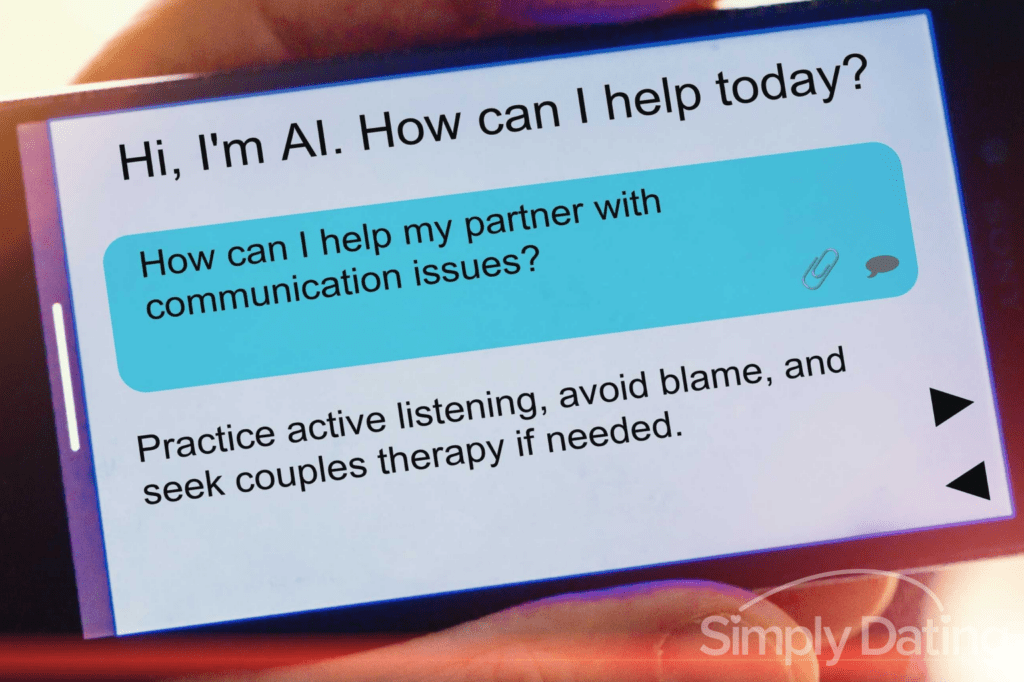
How to Communicate With an Avoidant Partner Without Escalation
Communication with an emotionally avoidant partner requires precision, emotional regulation, and boundary clarity. Direct emotional intensity often triggers withdrawal rather than resolution. Understanding avoidant attachment style dating dynamics allows communication to remain grounded and non-escalatory. For those looking to meet single slavic women, being aware of such dynamics can help foster patience and adapt communication styles in early interactions.
Avoidant individuals respond more constructively to low-pressure, structured dialogue. Framing concerns around observations and needs, rather than emotions alone, reduces perceived threat. This approach minimizes defensive withdrawal and increases the likelihood of engagement.
Attachment research indicates that avoidant partners tolerate closeness more effectively when autonomy is preserved during dialogue . Signs someone is avoidant often intensify when communication feels emotionally demanding or unpredictable. Strategic communication focuses on clarity rather than emotional persuasion.
Effective communication strategies with avoidant partners:
- Use concise, behavior-focused language instead of emotional generalizations
- Avoid pursuing resolution during moments of withdrawal
- State boundaries calmly without requiring immediate reassurance
Communication that respects autonomy while maintaining self-boundaries reduces escalation but cannot substitute for mutual emotional availability.
When It’s Healthier to Walk Away
Not all relationships warrant endurance. Persistent emotional deprivation, unmet needs, and chronic uncertainty indicate structural incompatibility. Recognizing signs an avoidant is done with you protects emotional well-being.
Walking away is not a failure but a boundary. Ending a dynamic that consistently undermines emotional security preserves self-respect and relational capacity. Healthy intimacy requires mutual availability, not perpetual accommodation.
Indicators it is time to disengage:
- Repeated withdrawal without accountability
- Consistent avoidance of emotional repair
- Chronic imbalance in effort and vulnerability
Leaving an avoidant dynamic can restore emotional stability and create space for reciprocal connection.
Recognizing signs of avoidant attachment in dating enables informed emotional decision-making. Emotional avoidance is a pattern, not a phase, and intimacy cannot be sustained without mutual accessibility. Awareness prevents prolonged self-doubt and relational erosion.
For deeper insight into attachment dynamics, boundaries, and emotionally healthy dating strategies, explore expert resources at Simply Dating and build connections grounded in clarity, reciprocity, and emotional safety.
What are the main signs of an avoidant partner?
Withdrawal during closeness, emotional suppression, inconsistent communication, and fear of commitment are primary indicators.
Can avoidant attachment improve in dating?
Yes, but only with intentional self-work and willingness to confront emotional discomfort.
Is dating a dismissive avoidant always unhealthy?
Not inherently, but unaddressed avoidance undermines intimacy and long-term stability.
How do I know if an avoidant is done with me?
Sustained disengagement, reduced effort, and lack of repair attempts often indicate detachment.
Commenting rules
Members comments are welcome and we encourage comments and discussions.
We ask that you put some thought in to your posts and that you follow these commenting rules and guidelines:
Failure to comply with these rules may result in your comment not being published.