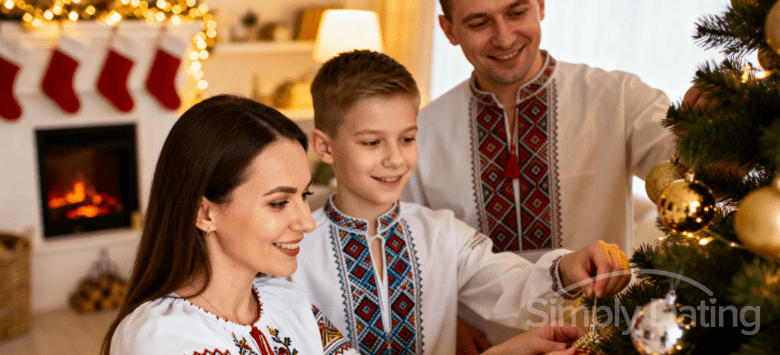
Celebrating Ukrainian holidays with your partner is a practical way to build intimacy, respect heritage, and create durable rituals that bind families. Holidays in Ukraine combine religious liturgy, folk customs, and foodways; they are dense with symbolic meaning and social obligations. If you met through Simply Dating, know that the platform can introduce you to a partner. But it won’t teach you how to honor her traditions; that work happens after the match.
Importance of Holidays in Ukrainian Culture
Holidays are a primary mechanism for transmitting values, history, and family memory in Ukraine. They gather extended kin, mark seasonal cycles, and sustain community ties; skipping them often registers as emotional distance rather than mere calendar choice. Approach holidays as identity work, not optional entertainment.
Key Ukrainian Religious Holidays to Understand
Ukrainian culture centers several religious festivals that most families observe in some form: Christmas (Orthodox/Julian and some Gregorian observances), Easter (Velykden), Epiphany (Jordan), and Trinity Sunday (Zelena Nedilya). Dates may follow the Julian calendar in many Ukrainian churches, so observance days can differ from Western calendars. Check which calendar your partner’s family follows before planning.
Christmas (Sviata Vecherya and its meaning)
Christmas Eve (Sviata Vecherya) is the emotional center of the season and is traditionally marked by a multi-course, meatless supper of symbolic dishes that open with kutia – a ritual wheat-and-honey dish for ancestors and blessings. Families bring a didukh (a sheaf of wheat) and sing koliadky (carols); many rituals are as important for signaling lineage and continuity as for religious devotion. Participate attentively: learning the order of the supper and the meanings of each dish shows respect and creates shared memory.
Easter — Velykden and Paska
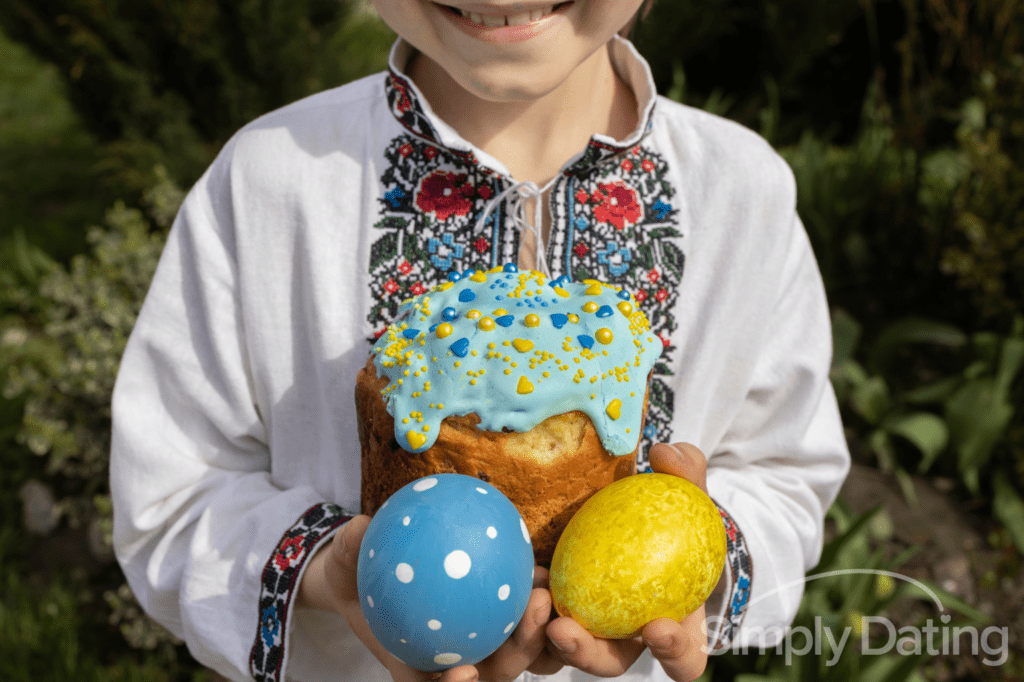
Easter in Ukraine is both theologically central and intensely domestic. Paska (the Easter bread) and pysanky (decorated eggs) are common focal points: paska is baked and frequently blessed in an Easter basket alongside eggs, sausage, cheese, and salt. Attending a blessing service together or preparing a basket as a couple is a visible signal of partnership and cultural investment.
Epiphany (Jordan) — Water blessings and customs
Epiphany (often called Jordan in Slavic contexts) is associated with blessing water and, in some communities, public water rituals such as river plunges or cross-fetching ceremonies. Note that Orthodox calendars may place this on January 6 or January 19 depending on church affiliation and calendar used; the water-blessing ritual is widespread and holds deep symbolic meaning about purification and protection. If your partner’s family marks Jordan publicly, participate safely and respectfully.
Trinity Sunday (Zelena Nedilya)
The Green Sunday cycle (Zelena Nedilya) around Pentecost blends Christian commemoration with folk reverence for nature; homes and churches are decorated with greenery, and certain taboos and customs are observed. This holiday is more seasonal than doctrinal in many households, but it functions as a communal marker of renewal and family continuity. Showing interest in small rituals (green branches, songs, or blessings) is meaningful.
Preparing for Religious Holidays as a Couple
Start with logistics: ask which calendar the family follows, who hosts, what time the Sviata Vecherya starts, and whether dress or gift customs apply. Learn the outline of the service or supper so you can participate rather than merely observe. Practical preparation lowers stress and prevents accidental disrespect.
Traditional Holiday Foods and Their Meaning
Food is a central symbol in Ukrainian holidays: kutia (wheat/poppy/honey) for remembrance, uzvar (dried-fruit compote) for hospitality, paska for resurrection, and many regional dishes that signal origin and family story. Ask about ingredients and rituals around the food; offer to learn or contribute a stable that complements the menu rather than replacing it.
Celebrating with Family and Community
Many Ukrainian celebrations extend beyond the nuclear family to include godparents, in-laws, and neighbors; communal meals and caroling can involve entire neighborhoods. Respect the social choreography: bring small gifts for hosts, follow seating or blessing protocols when offered, and join group songs when encouraged. Your consistent presence matters more than perfect performance.
Blending Ukrainian and Local Religious Customs
If you live outside Ukraine or your partner’s family is dispersed, hybrid celebrations are common: a local family dinner one day, a church blessing the next, and a virtual call with relatives in Ukraine. Negotiate which elements you preserve, which you adapt, and which you invent together, then document the plan so your new rituals repeat reliably.
Teaching Children the Meaning of Religious Holidays
Turn rituals into teachable moments: explain stories behind the foods, let children help prepare paska, and maintain symbolic objects (didukh, pysanky). Create a small family ritual for children, lighting a candle, reading a short narrative, or making a craft, so the meaning is embodied, not just described.
Creating New Shared Family Traditions
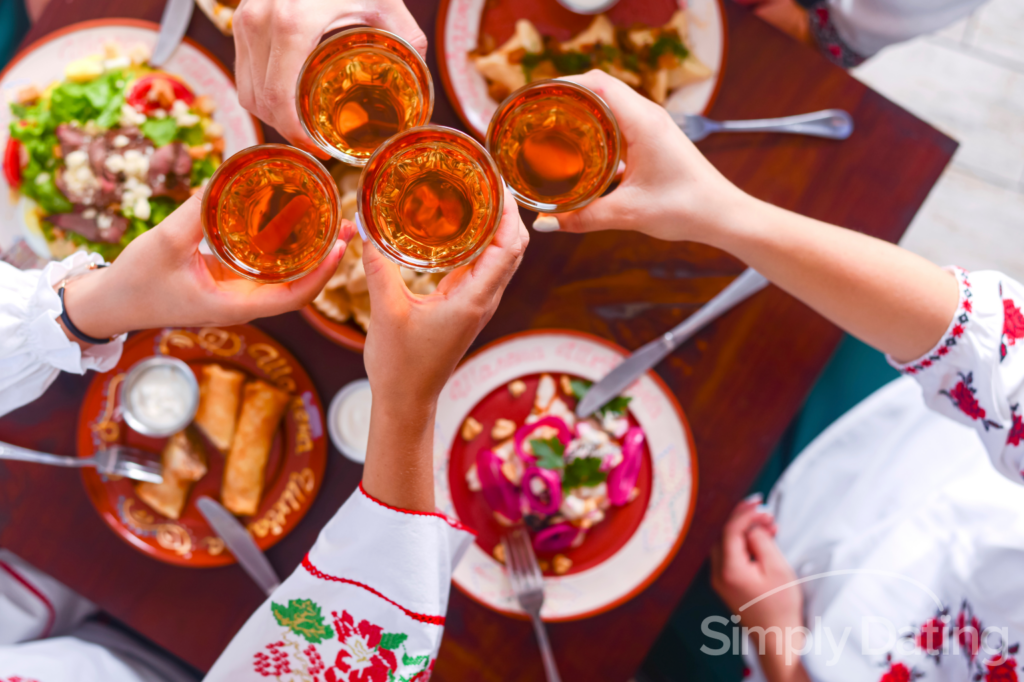
Couples can add one shared element that becomes “theirs”, a walk after the Sviata Vecherya, a fusion dish each Easter, or an annual family photo with the didukh. These innovations help the child of two cultures see continuity and novelty as compatible parts of identity.
Strengthening Emotional Connection Through Celebrations
Participating in holidays with genuine curiosity builds relational capital fast. Holidays concentrate attention, and shared ritual experience strengthens attachment by creating repeated, emotionally-salient memories. If you want your partner to feel seen, the simplest route is to show up prepared and curious.
| Holiday | Core ritual | What it signals | How to participate |
| Christmas (Sviata Vecherya) | 12-dish supper beginning with kutia | Family continuity, remembrance | Learn the order of dishes and sing/stand when invited. |
| Easter (Velykden) | Blessing of the basket; paska & eggs | Resurrection, renewal | Bake or help prepare paska and attend blessings. |
| Epiphany (Jordan) | Water blessing; public rituals | Purification and protection | Respect local water rituals and follow safety guidance. |
| Trinity (Zelena Nedilya) | Decorating with greenery | Renewal, nature’s blessing | Help decorate, learn associated songs and taboos. |
Single Practical Checklist
Before the holiday:
- Ask which calendar they follow. Clarify whether they use a lunar, solar, or mixed calendar system, and note any key dates or traditions that might affect your visit or celebrations.
- Confirm hosting plans. Double-check the schedule, meals, and expected activities to ensure you understand your role and any preparations needed ahead of time.
- Learn one phrase or song in their language. Pick a culturally significant greeting, blessing, or short song to show respect and engagement, even if it’s just a single line.
- Offer a small, appropriate gift. Choose something thoughtful and culturally suitable, such as a local specialty from your area, a handmade item, or something that complements the holiday’s theme.
- Volunteer for one cooking task. Offer to help with a single dish or preparation step, so you participate actively without overwhelming the hosts, while learning something new.
- Schedule a post-holiday debrief to share what you learned. Set a time to reflect and discuss the experience, either with friends, family, or colleagues, highlighting insights about the traditions, food, language, or customs.
That single checklist turns good intentions into specific acts; use it as a pre-holiday ritual so you show up informed and useful rather than surprised and apologetic.
Ukrainian holidays — when do most families celebrate Christmas?
Many Ukrainian families follow the Julian calendar and celebrate Christmas on January 7, though some observe December 25 depending on church affiliation.
Ukrainian holidays and traditions — what’s the must-know food for Christmas Eve?
Kutia, a ritual wheat-and-honey dish, is the canonical opener of the Holy Supper and carries ancestral meaning.
Ukrainian winter holidays — is Epiphany always January 6?
Orthodox observance may fall on January 6 or January 19 depending on whether the church follows the Gregorian or Julian calendar.
Ukrainian national holidays — are these religious holidays also national holidays?
Some religious holidays overlap with public days off or civic observances, but public calendars vary by year.
Celebrate holidays together — how do I avoid offending elders?
Ask, listen, follow elder cues during rituals, and take on visible, helpful tasks to show respect.asks rather than improvising corrections.
Thank you Julia for another fascinating article. I’ve already discussed my willingness to uphold Ukrainian traditions with the young lady I am in contact with. I think it’s very important to respect the culture of your lovely lady’s Country and I wouldn’t have it any other way. Always love these articles Julia, thank you for providing such wonderful advice, for explaining the importance of these dates.
Dear Gareth,
Thank you for your lovely feedback!
Commenting rules
Members comments are welcome and we encourage comments and discussions.
We ask that you put some thought in to your posts and that you follow these commenting rules and guidelines:
Failure to comply with these rules may result in your comment not being published.