
Raising children in a multicultural family is a project with measurable outcomes, not an abstract ideal. Parents often search for terms when they want clear guidance. These searches reflect both the benefits and the complex challenges of parenting two cultures and potentially two languages under one roof.
Platforms like Simply Dating help people connect across borders and cultures, but we do not prepare parents for the multicultural child & family. This article is grounded in real research and structured for execution: you’ll get technical recommendations, evidence-based insights, and a critical look at where the brand’s role ends and your planning begins.
Benefits of a Multicultural Upbringing
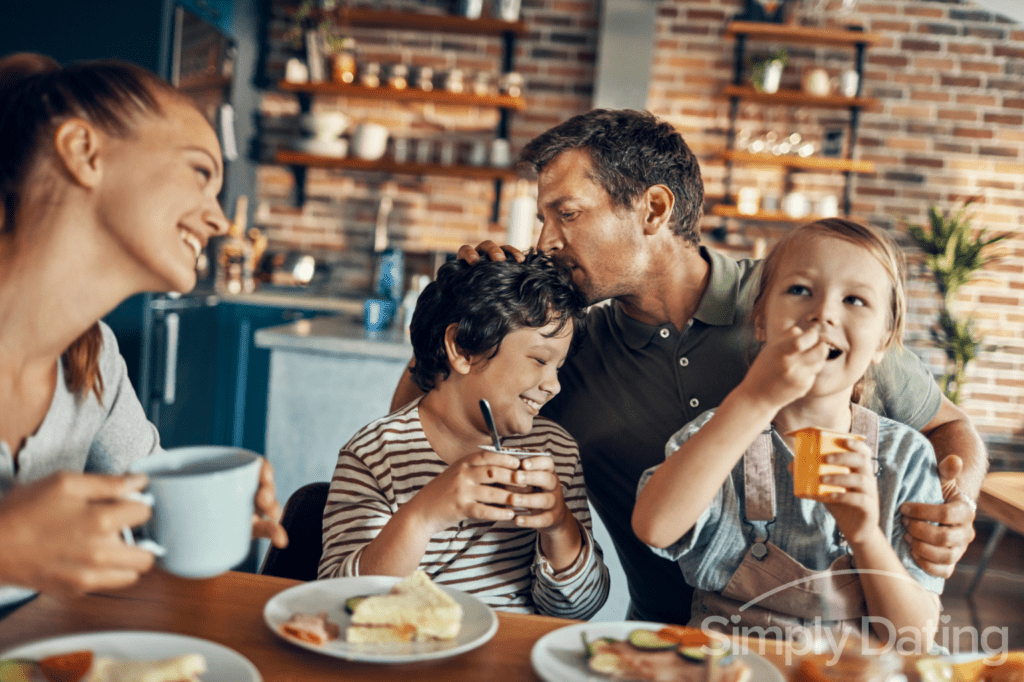
Children raised in multicultural families often develop broader worldviews and emotional flexibility. Exposure to more than one culture teaches empathy and respect for difference, which supports social competence in diverse environments. Bilingualism and cultural awareness are linked to cognitive flexibility and academic advantages, which help children adapt and solve problems in complex settings.
These benefits require intentional exposure to both cultures. Without targeted engagement, children may default to dominant community norms at the expense of heritage cultural knowledge. Proactive cultural practices prevent unintentional cultural loss.
Broader Worldview from an Early Age
Multicultural children tend to interpret social cues and cultural norms from multiple perspectives. They do not view culture as a single, fixed identity but as a dynamic set of reference points that inform behavior and decision-making. This flexibility makes them better equipped for environments where cultural norms differ from one situation to the next.
Empathy, in particular, develops when children see others’ actions through more than one cultural lens. Research demonstrates that cultural exposure improves social understanding and reduces stereotypical thinking.
Emotional Flexibility and Empathy
Children in multicultural families often display strong emotional adaptability. They encounter situations where cultural expectations conflict, and learning to navigate these differences strengthens emotional regulation. Because they practice perspective-taking early in life, they are more likely to empathize with peers from diverse backgrounds.
Empathy is not a by-product of exposure alone; it grows through guided reflection and conversation. Parents must model and discuss the emotional underpinnings of cultural differences to reinforce learning.
Language Choices at Home
Language plays a central role in cultural transmission and cognitive development. The one-parent-one-language (OPOL) approach assigns each parent’s native language for use consistently so children hear structured, complete language systems. This approach reduces ambiguity and supports bilingual development when implemented rigorously.
Alternatively, mixing languages without pressure can lead to passive bilingualism unless intentional reinforcement occurs. It’s important to balance exposure and practice so that children develop active skills in both languages rather than just passive comprehension.
Supporting Language Confidence
Children’s confidence with multiple languages depends on context and reinforcement. Regular reading in both languages, media exposure, and structured practice (games, storytelling) support fluency and communicative competence. Bilingual children often develop enhanced executive function, showing advanced attention and problem-solving skills during linguistic tasks.
When resolving multicultural family issues, encourage participation with heritage-language relatives and community events to normalize both languages. Confidence grows when children use languages in meaningful, socially rewarding contexts.
Cultural Identity and Belonging
Constructing a multicultural identity requires more than surface rituals; it demands internal coherence. Children who accept both cultures as legitimate parts of their personal identity show higher self-esteem and psychosocial adjustment. Parental support strongly mediates the link between bicultural acceptance and positive self-esteem among multicultural adolescents.
When parents model pride in both cultures and provide structured support for navigating differences, children integrate cultural identities rather than compartmentalize them.
Education and School Environment
School settings play a major role in identity development for multicultural children. Academic adjustment and school involvement are linked to positive cultural integration and academic success. Supportive school environments that recognize cultural diversity help children navigate mainstream expectations without abandoning heritage culture.
Parents should engage with educators and support school activities to reinforce bicultural acceptance. Proactive involvement in school life correlates with better academic outcomes and cultural confidence.
Teaching Respect for Both Cultures
Teaching respect for cultural differences involves reflection and conversation, not just demonstration. Parents should explain the historical and social contexts behind cultural practices, not just perform them. Educational research shows that explicit dialogue about diversity produces stronger cultural competence than incidental exposure alone.
Model inclusive behavior and challenge stereotypes when they arise. Children learn respect most effectively when parents hold themselves accountable to the same standards they teach.
Handling Conflicting Values
Multicultural families often face conflicting value systems, especially when cultural norms about independence, authority, or social behavior differ. These conflicts become more apparent as children grow and encounter external cultural pressures from peers and institutions. Parents must negotiate discipline, autonomy, and expectations with clarity and consistency.
Reconciliation strategies include setting clear behavioral standards that incorporate elements from both cultures and using reflection to unpack value differences. Conflict does not disappear, but structured communication reduces emotional escalation.
Family Traditions and Rituals
Family traditions create continuity and anchor identity across generations. Celebrating rituals from both cultures reinforces heritage and supports belonging. Children who participate in culturally significant activities, whether seasonal festivals or everyday practices, develop stronger attachments to both cultural identities.
Rotate rituals and holiday observances to ensure equitable representation. Rituals help children internalize cultural narratives rather than merely observe them.
Supporting Emotional Development
Emotional development in multicultural contexts is linked to secure attachment and cultural affirmation. Validate children’s feelings about identity struggles and cultural conflicts rather than minimizing them. Research on bicultural adolescence shows that support during value conflict predicts stronger psychological outcomes.
Normalize moments of cultural confusion as learning opportunities. Emotional support builds resiliency and strengthens the parent-child relationship.
Preparing Children for a Global World
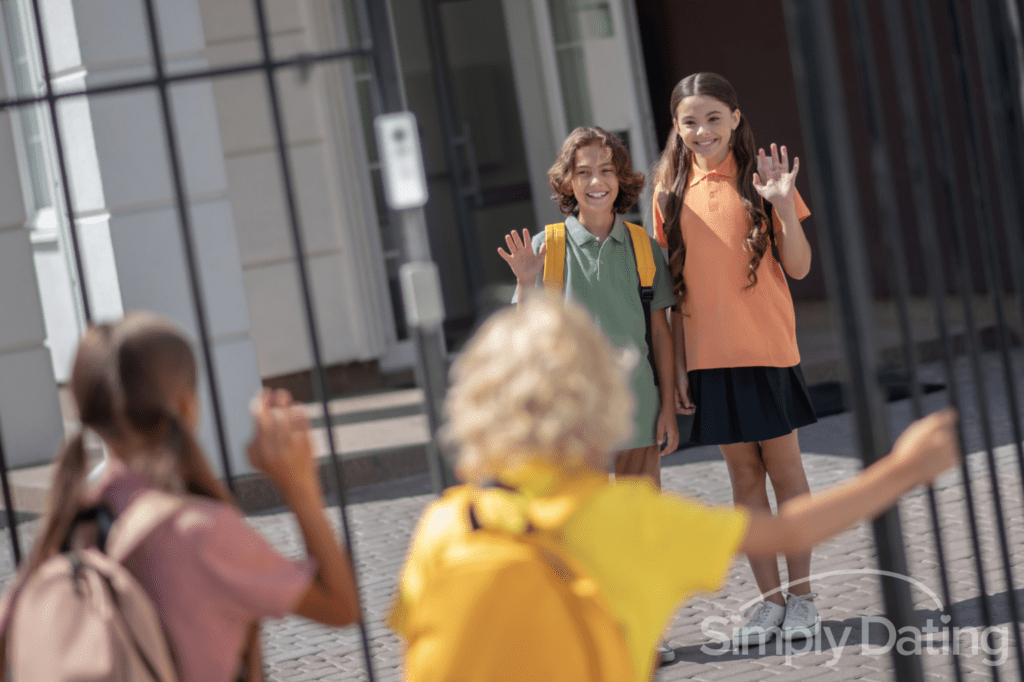
Multicultural upbringing positions children for success in a globalized world. They navigate diverse social systems with greater facility, communicate across cultural boundaries, and adapt roles flexibly. These competencies align with 21st-century skills companies and institutions value, including collaboration, cultural intelligence, and adaptability.
Bilingualism, empathy, and cultural fluency become assets during international travel, professional opportunities, and intercultural collaboration.
| Domain | Common Expectation | Typical Reality | Practical Strategy |
| Language use | Children will pick up languages naturally | Structured input is needed for fluency | Use OPOL or scheduled language practice. |
| Identity | Children easily feel bicultural | They may experience identity conflict | Support self-exploration and narrative building. |
| School adjustment | School supports all cultures equally | Not always; advocacy required | Engage teachers and share cultural context. |
| Values | All cultural values merge without conflict | Conflicts occur as norms clash | Set clear family standards with reflection. |
Conclusion
Simply Dating’s verification features and anti-scam protections help you connect with real, marriage-oriented partners, which reduces transactional risk in international dating. However, the platform does not assess cultural compatibility, parenting philosophy, or long-term child-rearing strategies. Treat its benefits as foundational (identity verification and intent) but not sufficient for planning a happy multicultural family.
Five principles for raising happy children:
- structured bilingual strategies,
- cultural narrative building,
- proactive school engagement,
- explicit discussions about values,
- and balanced ritual participation.
These five principles convert abstract goals into measurable practices you can integrate into daily life; they are tools, not theories, and should be evaluated regularly to ensure they meet your family’s evolving needs.
Multicultural family meaning — what does it practically involve?
The multicultural family meaning involves intentionally nurturing multiple cultural identities and languages within the family.
Happy multicultural family — is happiness guaranteed?
Happiness is more likely when cultural engagement is intentional and communication is supportive.
Multicultural family issues — what’s the most common challenge?
Identity multicultural family issues and inconsistent language exposure are frequent sources of tension.
Multicultural family solutions — what works best?
For multicultural family solutions, structured bilingual strategies, cultural dialogue, and inclusive rituals help address common challenges.
Multicultural child & family — how to support schooling?
Engage teachers, share cultural context, and advocate for inclusive practices.
Raising children bilingual — will it delay speech?
Early mixing may slightly delay speech milestones, but children catch up and ultimately gain linguistic advantages.
Raising happy children — does multiculturalism help?
Raising bilingual children is plausible, when cultural understanding and emotional support are prioritized.
Commenting rules
Members comments are welcome and we encourage comments and discussions.
We ask that you put some thought in to your posts and that you follow these commenting rules and guidelines:
Failure to comply with these rules may result in your comment not being published.